




Contents
- The recipe: 62.5 blocks from one bag of cement
- Blocks or machine-cut stone?
- Our assumptions
- Cost per 9-inch block in five cities
- Selling price and profit per block
- Profit by machine size: 4,000, 8,000 or 10,000 blocks a day
- And 6-inch blocks?
- Quality sells
- Demand: who buys the blocks?
- Electricity or diesel?
- Which machine for which volume?
- What this calculation does not include
- Sources for the prices
- Frequently asked questions
Short answer: yes, block making is profitable in Kenya when the blocks are made by machine, especially 9-inch blocks (400×200×225 mm). With the real recipe of one of our customers, a machine-made 9-inch block costs about KSh 55.2–59.1 to make and sells for KSh 70–90, a margin of about 20–39%. A yard with a BLOCKMASTER 8 or CBM 20 running at full capacity and selling its full output makes about US$13,200–21,200 a month at the low end of the price range.
This guide uses the same method as our general guide is a block making business profitable, city by city: Nairobi, Mombasa, Kisumu, Nakuru and Eldoret. You can repeat every calculation with your own prices.
Download the presentation (PDF, 5 pages): the same calculation as a presentation with the BLOCKMASTER 4, 8 and 10, to print or share.
The recipe: 62.5 blocks from one bag of cement
One of our customers made 7,500 hollow blocks of 400×200×150 mm with 30 mm shells, using:
- 120 bags of cement (50 kg)
- 3 trucks of sand, 18.5 m³ each (55.5 m³)
- 2 trucks of chippings, 18.5 m³ each (37 m³)
That is 62.5 six-inch blocks per bag, about 0.8 kg of cement per block. A 9-inch block of 400×200×225 mm needs about 21% more concrete, so a bag makes about 51.7 nine-inch blocks. In Kenya most block makers use quarry dust instead of river sand: it is cheaper and gives a good finish, so our calculation uses quarry dust.
Blocks or machine-cut stone?
In Kenya, concrete blocks compete with machine-cut stone. Near the quarries around Nairobi, a 6×9 stone (400×200×150 mm) is delivered for about KSh 37–55, which is cheaper than a 6-inch block. The further you go from the quarries, the more transport adds: in Nakuru, Kisumu, Eldoret and Mombasa delivered stone often costs KSh 70–80 or more. That is where machine-made blocks win on price, and 9-inch blocks, which replace 9×9 stone, give the best margin everywhere.
Our assumptions
- A BLOCKMASTER 4 or CBM 12 with a crew of 8 (operator, mixer, pallets, stacking), making 4,000 9-inch blocks a day (5,000 6-inch blocks).
- The machine runs at full capacity, six days a week, 26 days a month, and the yard sells its full output.
- A generator burning about 45 litres of diesel a day, at the EPRA pump price.
- 6% added for water, curing, maintenance, about 3% breakage and small costs.
- Monthly profit is cautious: it uses the low end of the selling price range, 5% material waste, 30% higher pay for skilled operators, 10% other costs and about US$1,500 a month of fixed costs (manager, security, rent, maintenance).
- KSh 130 to the US dollar. Prices are what we found at the time of writing; they change, so check yours.
Cost per 9-inch block in five cities
| City | Cement (50 kg) | Quarry dust per m³ | Ballast / chippings per m³ | Labour per day | Diesel per litre | Cost per block |
|---|---|---|---|---|---|---|
| Nairobi | KSh 760 | KSh 2,100 | KSh 2,400 | KSh 900 | KSh 227.76 | ≈KSh 55.3 |
| Mombasa | KSh 750 | KSh 2,400 | KSh 2,600 | KSh 870 | KSh 224.61 | ≈KSh 59.1 |
| Kisumu | KSh 820 | KSh 2,000 | KSh 2,500 | KSh 870 | KSh 227.71 | ≈KSh 56.2 |
| Nakuru | KSh 790 | KSh 2,100 | KSh 2,300 | KSh 870 | KSh 226.93 | ≈KSh 55.2 |
| Eldoret | KSh 790 | KSh 2,000 | KSh 2,600 | KSh 870 | KSh 227.71 | ≈KSh 56.2 |
Cement is about 30% of the cost of a block, quarry dust and ballast together about 55%. Labour and diesel add only about KSh 4 per block at 4,000 blocks a day. The labour figure is close to the legal minimum wage of about KSh 868 a day that applies in all five cities.
Selling price and profit per block
| City | Selling price (9-inch) | Profit per block | Margin | Profit per month, BLOCKMASTER 4 (4,000 a day) |
|---|---|---|---|---|
| Nairobi | KSh 70–90 | KSh 14.7–34.7 | 21–39% | KSh 777,000 (≈US$6,000) |
| Mombasa | KSh 75–90 | KSh 15.9–30.9 | 21–34% | KSh 867,000 (≈US$6,700) |
| Kisumu | KSh 75–90 | KSh 18.8–33.8 | 25–38% | KSh 1.20 million (≈US$9,300) |
| Nakuru | KSh 70–85 | KSh 14.8–29.8 | 21–35% | KSh 789,000 (≈US$6,100) |
| Eldoret | KSh 70–85 | KSh 13.8–28.8 | 20–34% | KSh 681,000 (≈US$5,200) |
Monthly figures are cautious: they use the low end of the price range and the extra costs listed in our assumptions. We found fewer published prices outside Nairobi, so treat the other cities as estimates and check them locally.
Nairobi
The biggest market, with most of the affordable housing projects: more than 76,000 of the homes shown in the Boma Yangu programme are in Nairobi. It is also where machine-cut stone is cheapest, so a block yard here should focus on 9-inch blocks, sell to contractors and estate developers, and deliver reliably. Juja, Ruiru, Kitengela and Athi River are where most of the building is.
Mombasa
Cement is slightly cheaper at the coast, but quarry dust and ballast cost more. Stone from Ndarugo arrives at about KSh 75–78, and local coral stone is cheap but weaker, so quality blocks have a clear place in the market.
Kisumu
Transporting stone to Kisumu costs at least KSh 50,000 a lorry, which pushes stone prices up. Blocks sell well, and Kisumu has the best margins of the five cities in our calculation.
Nakuru
Nakuru became a city recently and keeps growing along the Nairobi–Nakuru highway. Stone is delivered for about KSh 58–80, so 9-inch blocks are competitive.
Eldoret
Cement comes a long way, so buy it by the truckload. Our Eldoret figures assume a serious yard that does: at retail cement prices the margin is noticeably thinner.
Profit by machine size: 4,000, 8,000 or 10,000 blocks a day
With a bigger machine, labour and diesel are spread over more blocks. Monthly profit on 9-inch blocks, where each machine runs at full capacity and the yard sells its full output, at the low end of the price range, 26 working days a month, with the same cautious costs and fixed costs of about US$1,500, 2,500 and 3,000 a month:
| City | BLOCKMASTER 4 / CBM 12 (4,000 a day) | BLOCKMASTER 8 / CBM 20 (8,000 a day) | BLOCKMASTER 10 / CBM 25 (10,000 a day) |
|---|---|---|---|
| Nairobi | KSh 777,000 (≈US$6,000) | KSh 1.92 million (≈US$14,700) | KSh 2.52 million (≈US$19,400) |
| Mombasa | KSh 867,000 (≈US$6,700) | KSh 2.09 million (≈US$16,100) | KSh 2.73 million (≈US$21,000) |
| Kisumu | KSh 1.20 million (≈US$9,300) | KSh 2.76 million (≈US$21,200) | KSh 3.57 million (≈US$27,500) |
| Nakuru | KSh 789,000 (≈US$6,100) | KSh 1.93 million (≈US$14,900) | KSh 2.54 million (≈US$19,500) |
| Eldoret | KSh 681,000 (≈US$5,200) | KSh 1.72 million (≈US$13,200) | KSh 2.27 million (≈US$17,500) |
We assume a crew of 8, 11 and 14 people and about 45, 70 and 70 litres of diesel a day. These are cautious figures: the low end of the price range and cautious costs.
And 6-inch blocks?
The same machine makes 6-inch blocks of 400×200×150 mm, 5,000 a day, by changing the mould. The margin is thinner, because 6-inch blocks compete directly with 6×9 stone:
| City | Cost per 6-inch block | Selling price | Margin |
|---|---|---|---|
| Nairobi | ≈KSh 45.6 | KSh 55–70 | 17–35% |
| Mombasa | ≈KSh 48.8 | KSh 60–75 | 19–35% |
| Kisumu | ≈KSh 46.3 | KSh 60–75 | 23–38% |
| Nakuru | ≈KSh 45.5 | KSh 55–68 | 17–33% |
| Eldoret | ≈KSh 46.3 | KSh 55–70 | 16–34% |
Make 6-inch blocks to complete your range for customers who buy 9-inch blocks from you, and keep the machine running mainly on 9-inch blocks.
Quality sells
Kenyan contractors and the affordable housing projects buy blocks that meet the KEBS standard for concrete blocks and that are the same size every time. Have a few blocks from each new mix tested at a materials laboratory and keep the results: tested blocks sell at the top of the price range and open the door to estate developers.
Demand: who buys the blocks?
- Kenya needs about 250,000 new homes a year but builds about 50,000; the shortfall grows by about 200,000 homes every year.
- The Affordable Housing Board reports more than 300,000 homes at various stages of completion under the Affordable Housing Programme.
- Cement consumption is rising: production in the first eight months of this year was about 14% higher than a year earlier.
Electricity or diesel?
Small commercial customers of Kenya Power pay about KSh 28 per kWh with levies, and the grid had a nationwide blackout of more than five hours this year. A grid connection is cheaper to run, but plan for a generator as backup; our cost table assumes diesel only.
Which machine for which volume?
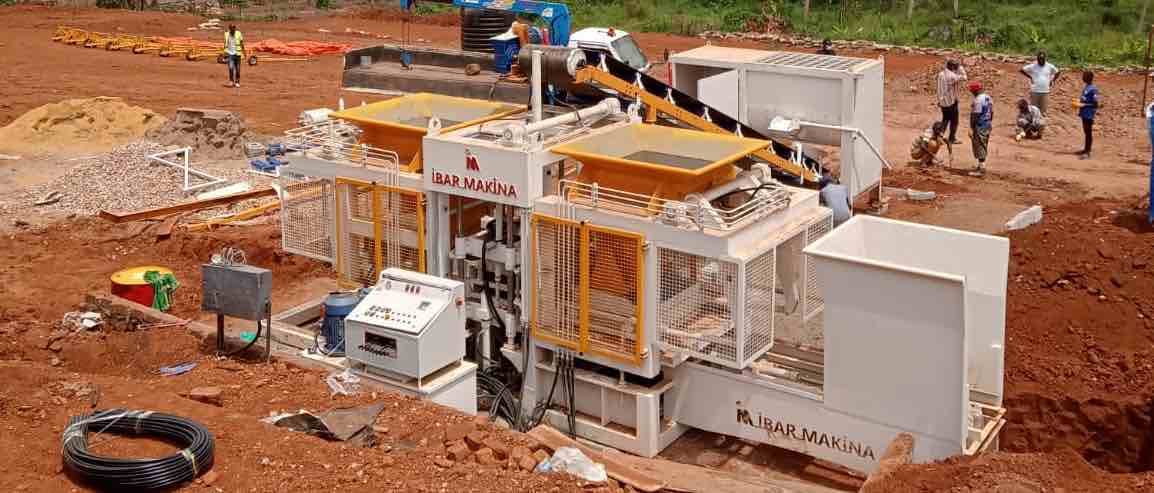
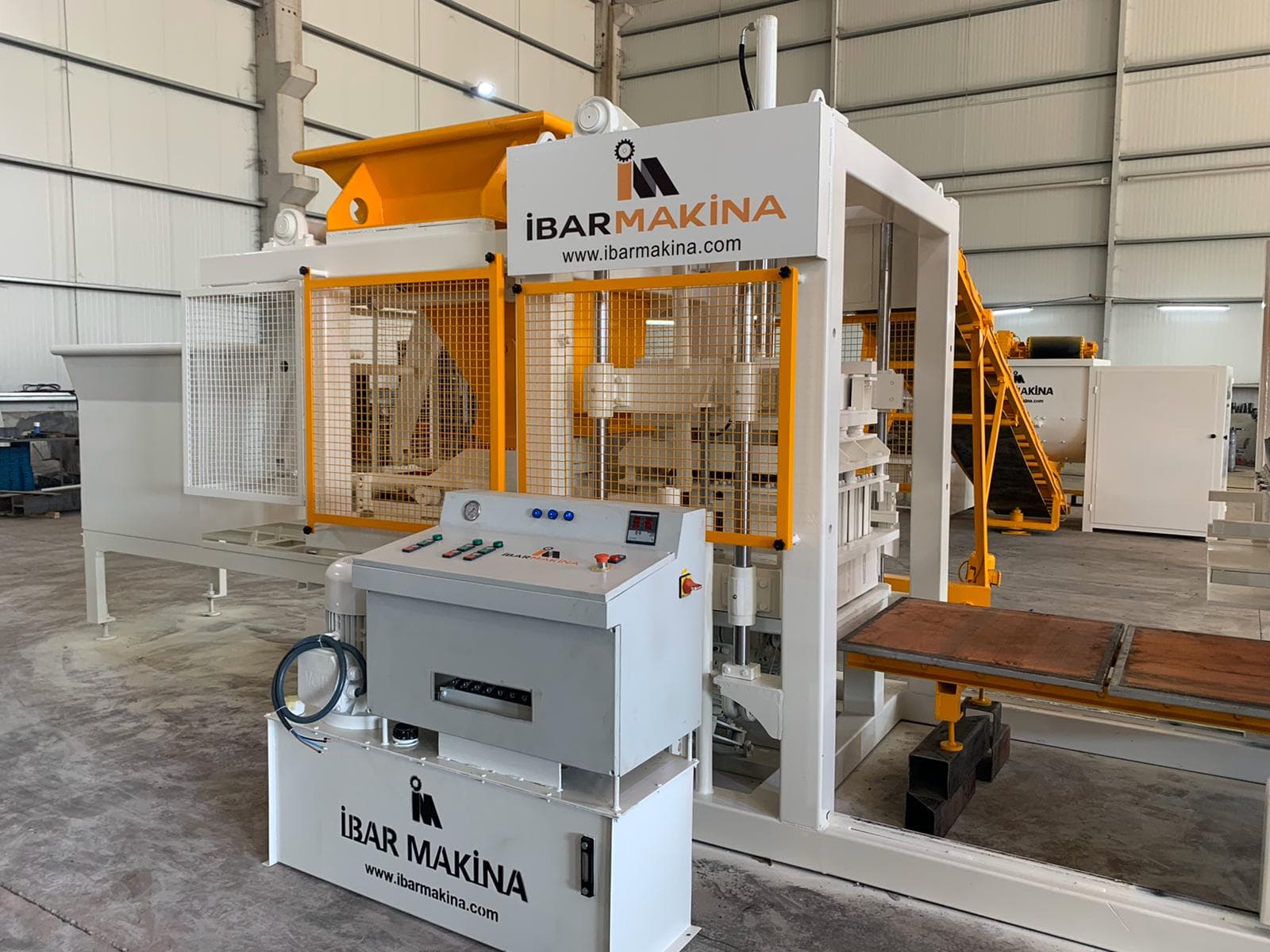
- About 4,000 9-inch blocks a day: BLOCKMASTER 4 or CBM 12. The egg-laying MBM4 works without pallets.
- About 8,000 a day: BLOCKMASTER 8 or CBM 20.
- About 10,000 a day: BLOCKMASTER 10, or the CBM 25, which also makes paving blocks.
To plan your daily output, see block machine capacity calculation; for mix design, see concrete block mix proportions.
What this calculation does not include
- Land, rent, buildings and a curing area.
- Delivery trucks and fuel for delivery.
- Depreciation, taxes, permits and loan repayments.
- Unsold stock and slow months in the rainy seasons.
Sources for the prices
- Cement, blocks, quarry dust and ballast: Construction Kenya, JengaHub, Structrum, ACL, Jiji listings, building material price lists.
- Machine-cut stone: Ndarugo stone price lists and transport costs.
- Labour: legal minimum wage order, contractor rate guides. Diesel: EPRA monthly pump prices. Electricity: EPRA and Kenya Power charges.
- Housing: National Housing Corporation, Affordable Housing Board, KNBS Leading Economic Indicators.
- Prices outside Nairobi come from fewer sources; treat them as estimates.
Frequently asked questions
How much profit per block in Kenya?
With machine-made 9-inch blocks: about KSh 14.7–34.7 in Nairobi, KSh 15.9–30.9 in Mombasa, KSh 18.8–33.8 in Kisumu, KSh 14.8–29.8 in Nakuru and KSh 13.8–28.8 in Eldoret, using the prices in this guide.
How many blocks from one bag of cement?
Machine-made: one of our customers made 62.5 blocks of 400×200×150 mm per bag, which is about 52 blocks of 400×200×225 mm. Hand-moulded blocks give far fewer, because the mix is not vibrated.
Are blocks cheaper than machine-cut stone?
Near the Nairobi quarries, 6×9 stone is often cheaper than a 6-inch block. Away from the quarries, and for 9-inch walls, machine-made blocks are competitive and give a good margin.
Which machine should I start with?
Most new yards start with a semi-automatic machine making about 4,000 9-inch blocks a day, such as the BLOCKMASTER 4 or CBM 12, and add a larger machine when sales grow.
Does İBAR MAKİNA install the machine in Kenya?
Yes. On-site installation and operator training are included in the price, machines carry a 2-year warranty and spare parts are shipped from stock on the same day.
Send us your city, the blocks you want to make and your target daily output on WhatsApp, and we will recommend a machine and run these numbers with your local prices.