




Contents
- Cement and komche only: 80 blocks from one bag
- Our assumptions
- Cost of one block in Addis Ababa
- Selling price and profit per block
- Monthly profit by machine size
- "Turkish blocks": quality sells
- Who buys the blocks?
- Grid power or diesel?
- Which machine for which output?
- What this calculation leaves out
- Price sources
- Frequently asked questions
Short answer: yes, a machine-made block business in Ethiopia is profitable. Based on real figures from a block producer working in Ethiopia, a machine-made 15 cm block costs about 27.5 birr to produce in Addis Ababa, and it sells for more than 60 birr. A BLOCKMASTER 4 making 5,000 blocks of 15 cm a day can leave about 3.6 million birr (≈US$22,500) of net profit a month. This is a cautious calculation: we used the lowest selling price.
This guide shows the cost of one block, the selling price and the monthly profit step by step, so you can redo every calculation with your own prices.
Cement and komche only: 80 blocks from one bag
Many block producers in Ethiopia make blocks from cement and komche (the aggregate used for blocks) only, without sand or gravel. Figures from one producer in Ethiopia:
- One bag of cement (50 kg) → 80 blocks of 15 cm or 64 blocks of 20 cm
- One Sinotruk load of komche costs 15,000 birr and is enough for 1,800 blocks
So one 15 cm block contains only about 0.63 kg of cement. This is possible because the machine compacts the mix with vibration and pressure; hand-made blocks give far fewer blocks per bag.
Our assumptions
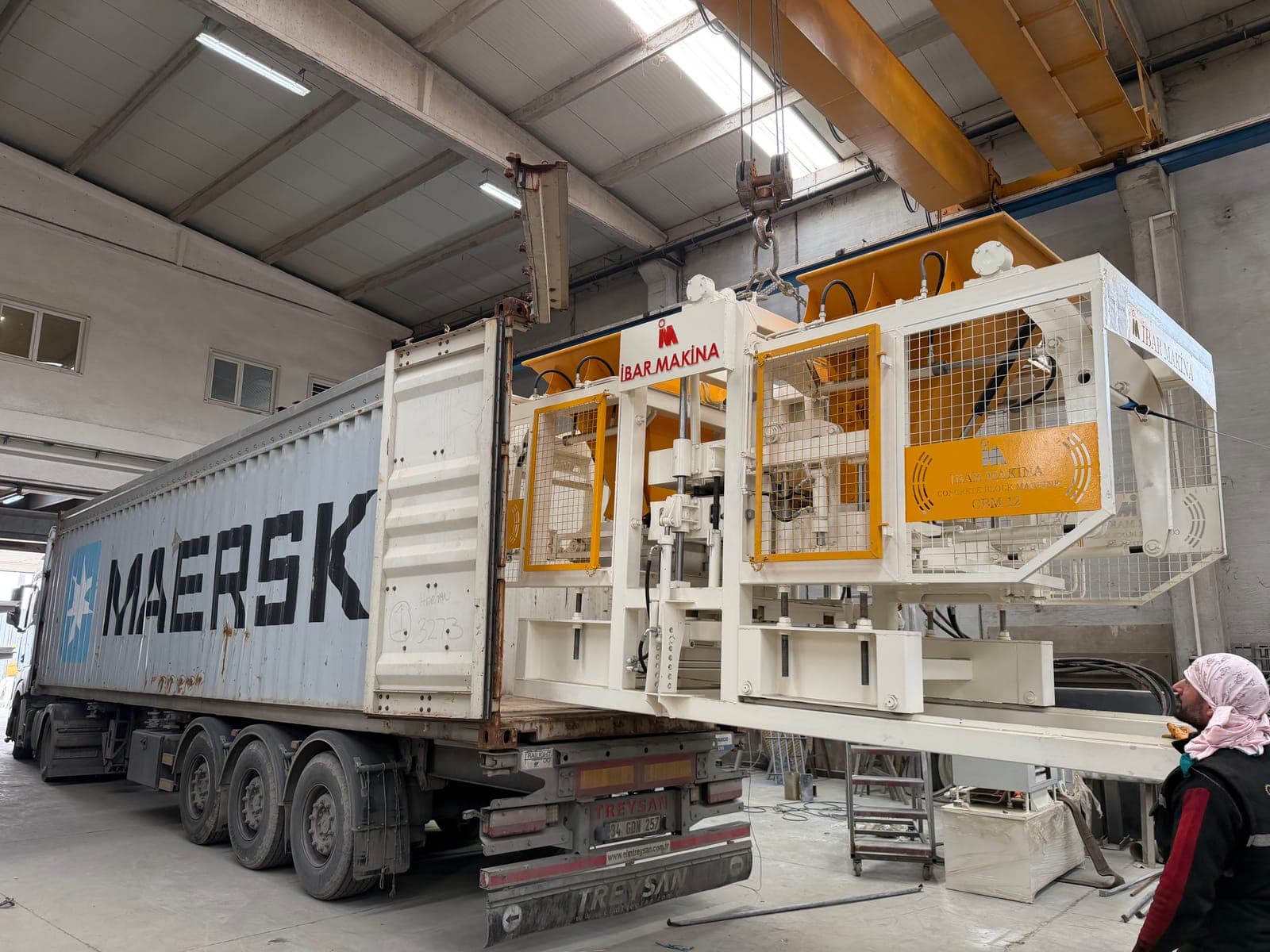
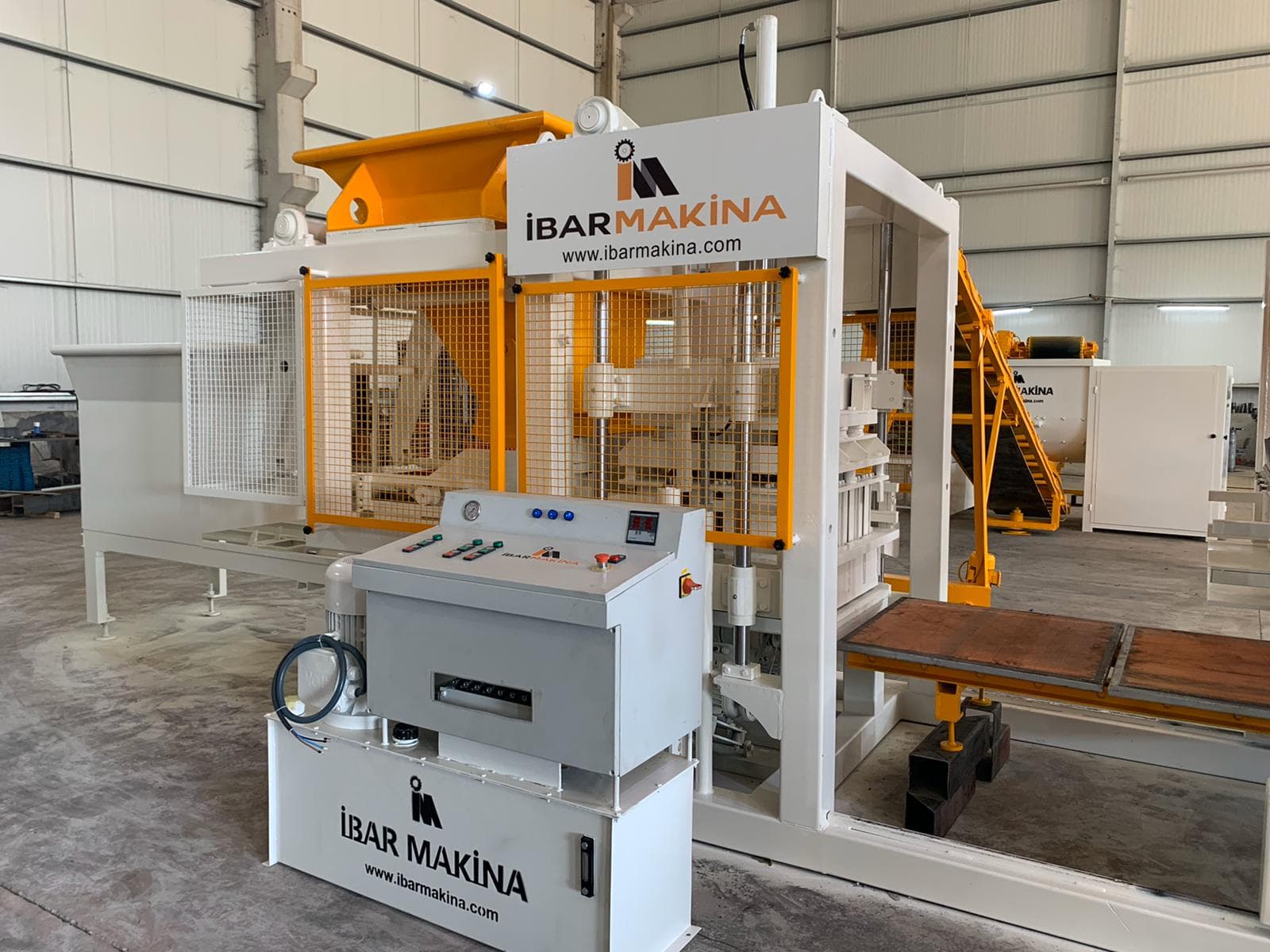
- A BLOCKMASTER 4 or CBM 12 machine with 8 workers (operator, mixer, pallets, stacking), making 5,000 blocks of 15 cm or 4,000 blocks of 20 cm a day.
- The machine runs at full capacity, 6 days a week, 26 days a month, and the plant sells everything it makes.
- A generator using about 45 litres of diesel a day, at the official price of 180.46 birr a litre.
- Daily workers at 600 birr a day.
- 6% added for water, curing, maintenance, broken blocks and small costs.
- Monthly profit is calculated cautiously: lowest selling price, 5% material waste, 30% higher pay for operators, 10% other costs and about US$1,500 a month of fixed costs (manager, security, rent, maintenance).
- US$1 = 162 birr (bank rate). Prices are those we found while preparing this guide; they change, so check yours.
Cost of one block in Addis Ababa
| Cost | 15 cm block (400×200×150 mm) | 20 cm block (400×200×200 mm) |
|---|---|---|
| Cement (1,200 birr a bag) | 15 birr | 18.8 birr |
| Komche (15,000 birr a Sinotruk load) | 8.3 birr | 10.4 birr |
| Labour | 1 birr | 1.2 birr |
| Generator diesel | 1.6 birr | 2 birr |
| Water, curing, maintenance, breakage (+6%) | 1.6 birr | 1.9 birr |
| Cost of one block | ≈27.5 birr | ≈34.3 birr |
Cement is more than half the cost of a block, and its price has roughly doubled in recent months. We used 2,400 birr per quintal of PPC cement in Addis Ababa (1,200 birr a bag). The producer we spoke to buys at 2,200 birr a quintal; buying cement in bulk, directly from the factory or a distributor, lowers the cost.
Selling price and profit per block
The producer we spoke to sells 15 cm blocks at 100 birr and 20 cm blocks at 120 birr. Online listings show prices from 65 to 95 birr. Prices vary with the block grade (class A, B, C), the location and whether delivery is included. In this guide we therefore used prices below the market:
| Block | Cost | Selling price used | Profit per block | Margin | Producer's selling price |
|---|---|---|---|---|---|
| 15 cm | ≈27.5 birr | 60–70 birr | 32.5–42.5 birr | 54–61% | 100 birr |
| 20 cm | ≈34.3 birr | 75–90 birr | 40.7–55.7 birr | 54–62% | 120 birr |
If you can sell at 100 birr, you earn about 73 birr on each 15 cm block. Still, it is safer to base your plan on the low price.
Monthly profit by machine size
A bigger machine spreads labour and diesel over more blocks. The figures below assume the machine runs at full capacity and the plant sells everything, 26 days a month, at the lowest price (60 birr for 15 cm, 75 birr for 20 cm), with the same cautious costs and fixed costs of US$1,500, 2,500 and 3,000 a month:
| Machine | Workers | 15 cm: daily output | 15 cm: monthly net profit | 20 cm: daily output | 20 cm: monthly net profit |
|---|---|---|---|---|---|
| BLOCKMASTER 4 / CBM 12 | 8 | 5,000 | 3.6 million birr (≈US$22,500) | 4,000 | 3.6 million birr (≈US$22,500) |
| BLOCKMASTER 8 / CBM 20 | 11 | 10,000 | 7.6 million birr (≈US$46,800) | 8,000 | 7.6 million birr (≈US$46,800) |
| BLOCKMASTER 10 / CBM 25 | 14 | 12,000 | 9.2 million birr (≈US$56,500) | 10,000 | 9.6 million birr (≈US$59,100) |
We assume about 45, 70 and 70 litres of diesel a day. These are cautious figures: lowest selling price and cautious costs.
"Turkish blocks": quality sells
In Addis Ababa, "Turkish block" has become a mark of quality: blocks made on a Turkish machine, with accurate dimensions and good strength, sell at a higher price. Have a few blocks from each new mix tested in a laboratory and keep the results; tested blocks are easier to sell to contractors and real estate developers.
Who buys the blocks?
- Ethiopia needs about 470,000 new homes a year, while the condominium programme and private developers build far fewer.
- Cities grow by about 4.7% a year, and housing makes up more than half of block demand.
- Corridor development is spreading from Addis Ababa to regional cities, and association housing for teachers and civil servants is being built.
On the other hand, rising cement and fuel prices and occasional fuel shortages push costs up. Buying cement in bulk and keeping a reliable komche supplier are therefore important.
Grid power or diesel?
Ethiopia's electricity tariff is one of the cheapest in the region (about 4 birr per kWh for industry), but power cuts are frequent. Connecting to the grid lowers costs, but keep a generator as backup. Our calculation uses diesel only; if you run on grid power, the cost per block will be lower.
Which machine for which output?
- About 5,000 blocks of 15 cm a day: BLOCKMASTER 4 or CBM 12. The MBM4, which needs no pallets, lays blocks directly on the ground.
- About 10,000 a day: BLOCKMASTER 8 or CBM 20.
- About 12,000 a day: BLOCKMASTER 10, or CBM 25, which also makes interlocking pavers.
You can see all models on our concrete block machine page. Before choosing a supplier, read our guide on how to choose a block machine manufacturer, and see how block making profitability is calculated.
What this calculation leaves out
- Land, rent, buildings and the curing area.
- Delivery trucks and delivery fuel.
- Machine depreciation, taxes, licences and loan repayments.
- Unsold stock and the rainy-season months when work slows down.
Price sources
- Blocks per bag, komche price and selling prices: a block producer working in Ethiopia.
- Cement and blocks: Conmart, Construction Proxy, 2merkato and Jiji listings.
- Diesel: official fuel price. Electricity: Ethiopian Electric Utility tariff. Exchange rate: National Bank of Ethiopia and commercial banks.
- Housing demand: CAHF (Centre for Affordable Housing Finance in Africa).
Frequently asked questions
How much profit is there per block in Ethiopia?
At the prices in this guide, 32.5–42.5 birr per 15 cm block and 40.7–55.7 birr per 20 cm block. If the market pays more, the profit rises.
How many blocks does one bag of cement make?
With a machine, using cement and komche: 80 blocks of 15 cm or 64 blocks of 20 cm from one 50 kg bag. Hand-made blocks give far fewer because the mix is not compacted.
Which machine should I start with?
Most new plants start with a semi-automatic machine making about 5,000 blocks of 15 cm a day, such as the BLOCKMASTER 4 or CBM 12, and add a bigger machine as sales grow.
Does İBAR MAKİNA install the machine in Ethiopia?
Yes. Installation and operator training are included in the price, our machines have a 2-year warranty and spare parts ship from stock the same day.
Send us on WhatsApp your city, the block you want to make and your daily output target: we will recommend a machine and redo this calculation with your own prices.