






 Misrata, LibyaConcrete Batching Plant · Stationary Concrete Batching Plants
PROMIX 135 Stationary Concrete Batching Plant Installation – Misrata, Libya
A PROMIX 135 stationary concrete batching plant producing 120–135 m³ of concrete per hour, with a 3 m³ twin-shaft mixer, a 30-metre transfer belt and cement silos, installed in Misrata.
- Location
- Misrata, Libya
- Machine model
- PROMIX 135
- Production capacity
- 120–135 m³/h
- Gallery
- 5 photos
Project
About the project
In Misrata, one of Libya's largest port and industrial cities, we installed a PROMIX 135 stationary concrete batching plant for one of our customers. The tower cranes rising behind the plant in the photos show how much construction is under way in the city — exactly the kind of steady, high-volume concrete demand a stationary plant is built for. Our team carried out the installation on site and trained the customer's operators in running and maintaining the plant.
The parts of the plant
| Section | At the Misrata plant | PROMIX 135 value |
|---|---|---|
| Aggregate bins and weighing belt | The bins sit between concrete retaining walls; aggregates are weighed here and fed onto the belt. | 4 or 5 compartments, 20–30 m³ each; aggregate weighing 4.5 m³ |
| Transfer belt | An inclined belt carries the aggregates up to the mixer level. | 1000 mm wide, 30 m long, 30 kW |
| Mixer level | A twin-shaft mixer and weighing hoppers on a platform on the steel tower. | 3 m³ compacted concrete (4000 L dry filling), 2 x 55 kW |
| Cement silos | The silos stand next to the mixer tower; cement is fed to the scale by screw conveyor. | Cement weighing 1800 kg |
| Water and admixture | Water and chemical admixture are weighed separately. | Water 1000 kg, admixture 20 kg |
| Control cabin | The plant is run from the cabin next to the mixer tower. | Recipe and weighing automation |
How one batch is made
- Aggregates are weighed from the bin compartments according to the recipe and passed to the transfer belt by the weighing belt.
- The transfer belt carries them up to the waiting hopper at mixer level.
- Cement arrives from the silo by screw conveyor, water and admixture from their own scales.
- The twin-shaft mixer brings the mix to a uniform consistency.
- The finished concrete is discharged into the truck mixer parked under the tower, while the materials for the next batch are already being weighed.
Working this way, the plant is designed to produce 120–135 m³ of concrete per hour.
Who is a stationary plant for?
A stationary plant is for operations that will produce large volumes of concrete every day in the same place for years: ready-mix plants, precast factories and large infrastructure projects. For work that moves from site to site, mobile plants fit better; for a smaller site and investment, site-type plants do. The site-type plant and pipe machine we installed in South Sudan are an example of the second case: the MOBIL MIX 30 and CPM 1600 installation in South Sudan.
Planning a similar plant? Message us on WhatsApp with your target hourly output and your site, and we will send you the right plant and the price.
Machines used in the project
All products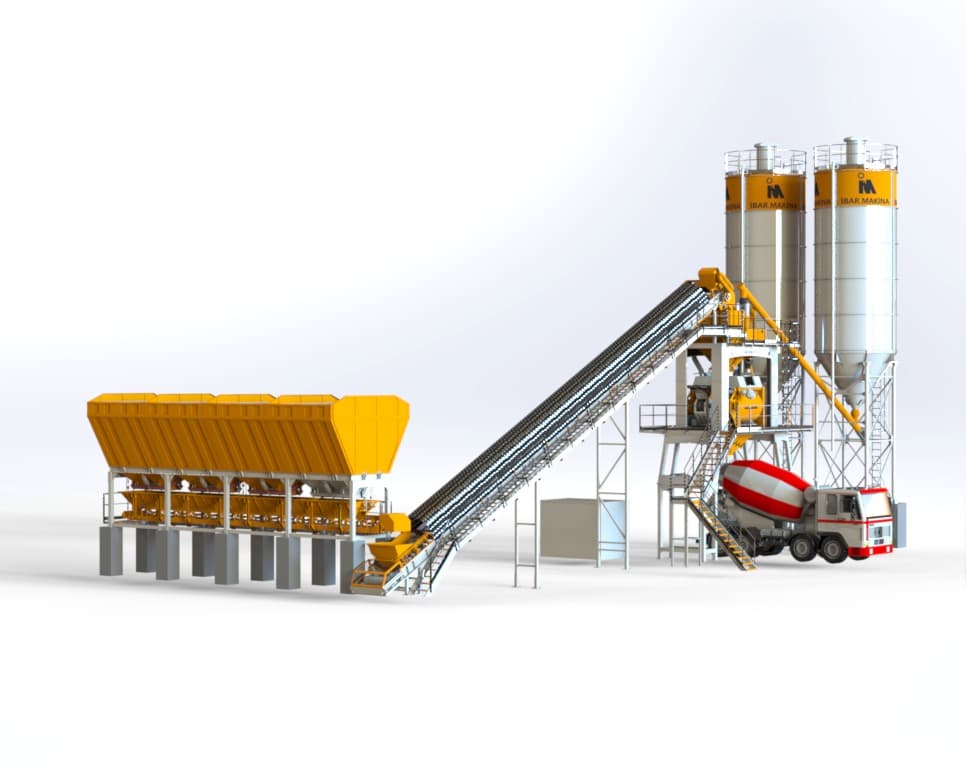
Planning a similar project?
Share your capacity and site details and we will prepare the right machine and installation plan for you.
- Guaranteed Service
- 45+ Years of Experience
- 100% Customer Satisfaction
- Superior Service and Spare Parts Network
Similar references
Other projects we have installed in different countries around the world.
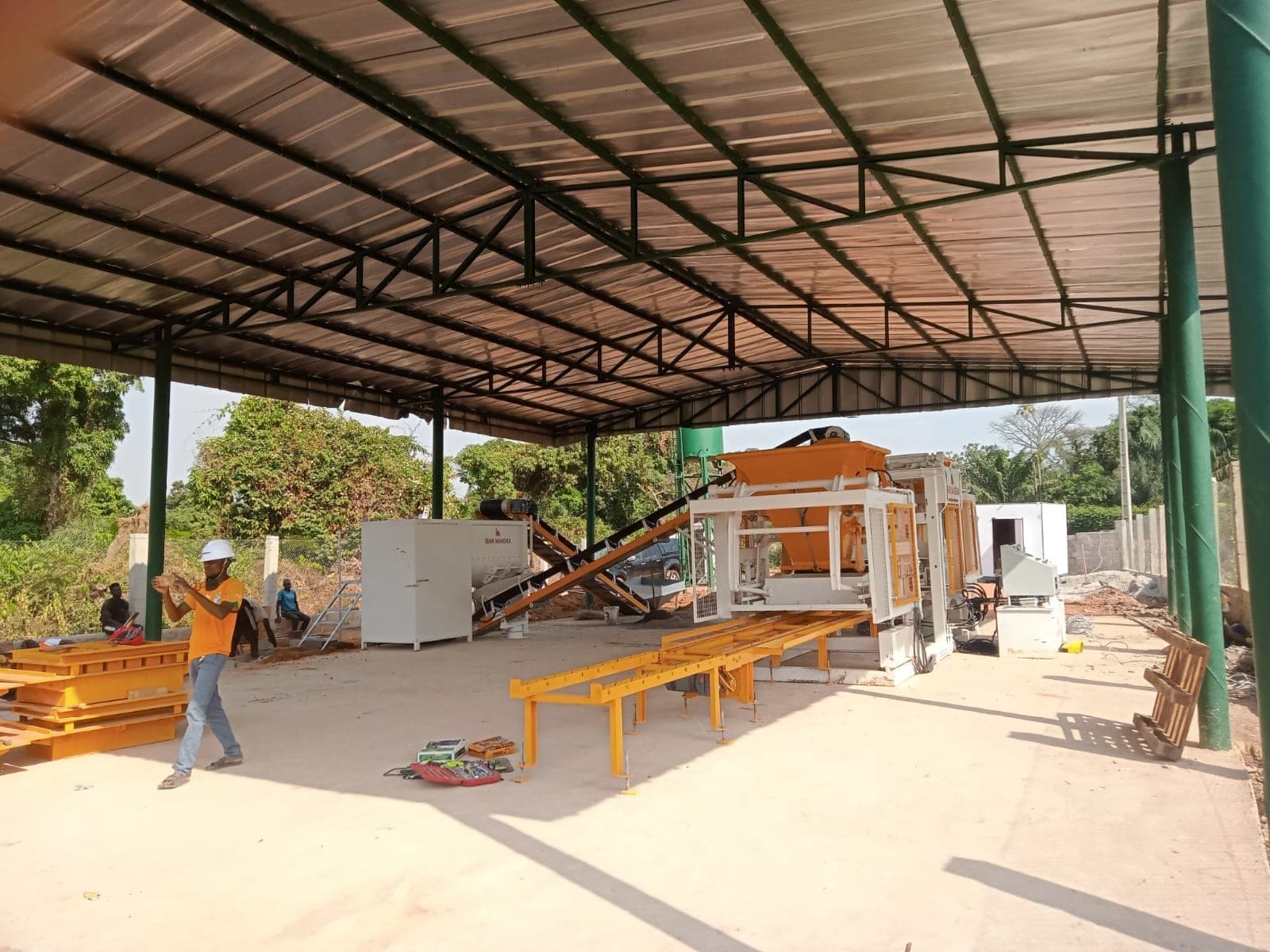
 Bouaké, Côte d'IvoireCBM 25CBM 25 Block Making Machine Installation in Côte d'IvoireConcrete Block Machine · Semi-Automatic Concrete Block Machine · Hollow Block MachineReference details
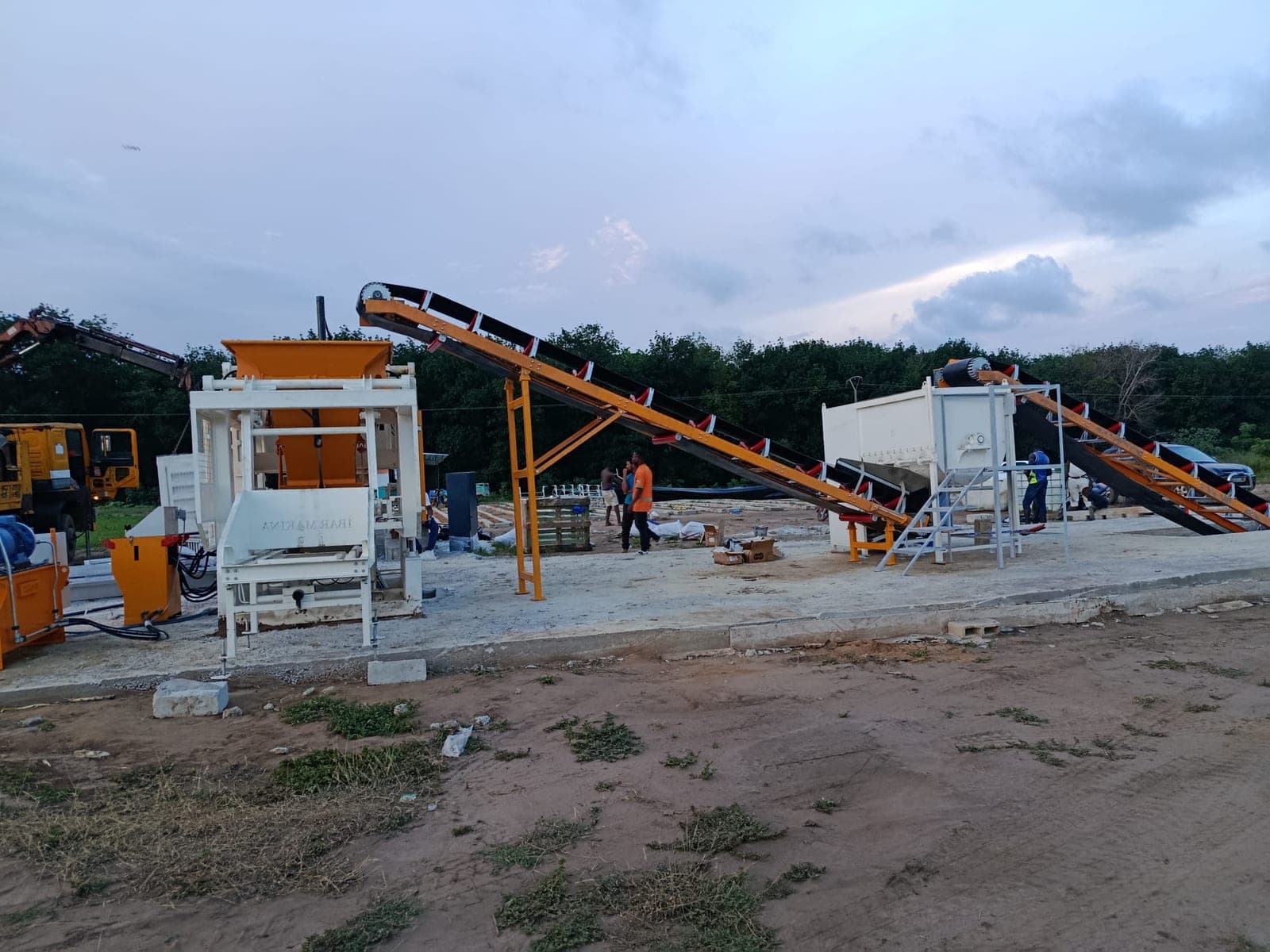 Abidjan, Côte d'IvoireBLOCKMASTER 8BLOCKMASTER 8 Block Making Machine Installation – Abidjan, Côte d'IvoireConcrete Block Machine · Semi-Automatic Concrete Block Machine · Hollow Block MachineReference details
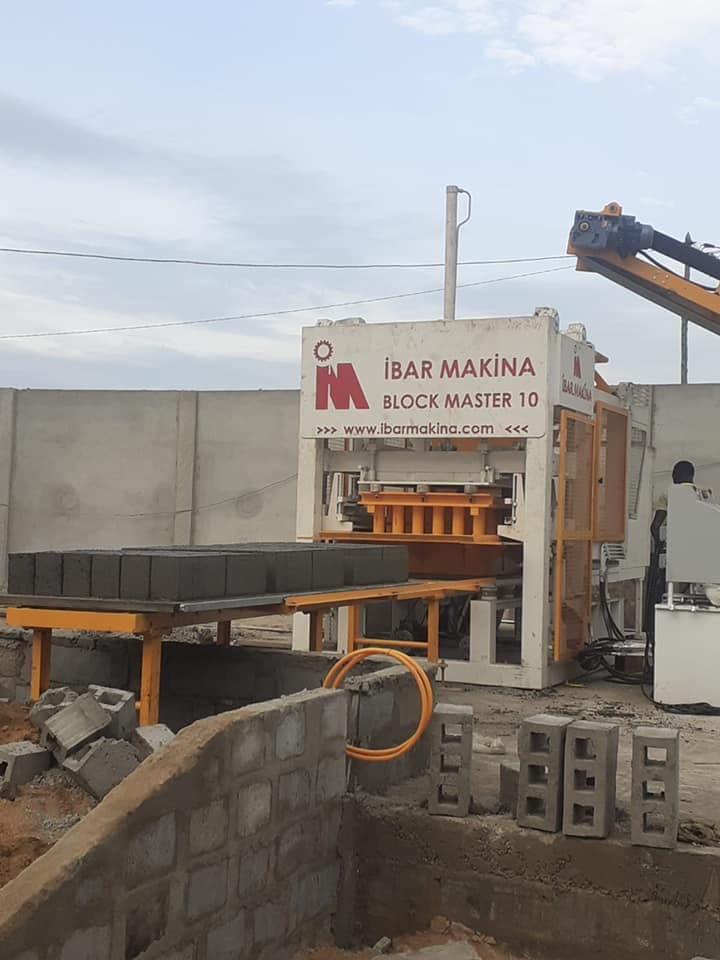
 TogoBLOCKMASTER 10BLOCKMASTER 10 Concrete Block Machine Installation – TogoConcrete Block Machine · Semi-Automatic Concrete Block Machine · Hollow Block MachineReference details
Ready to take your business to the next level with Ibar Makina?
With superior technology and engineering solutions, Ibar Makina makes your production faster, more efficient and of higher quality. Our experience and innovative approach give you tailor-made solutions that strengthen your competitiveness.