



Contents
- How Does an Egg-Laying (Mobile) Block Machine Work?
- Machine Types and Products That Can Be Manufactured
- The Advantage of Pallet-Free Production and Space Requirements
- Mould Construction and Custom-Size Production
- Frame, Hydraulic System and Vibrator Features
- Warranty, Installation and Operator Training
- Frequently Asked Questions
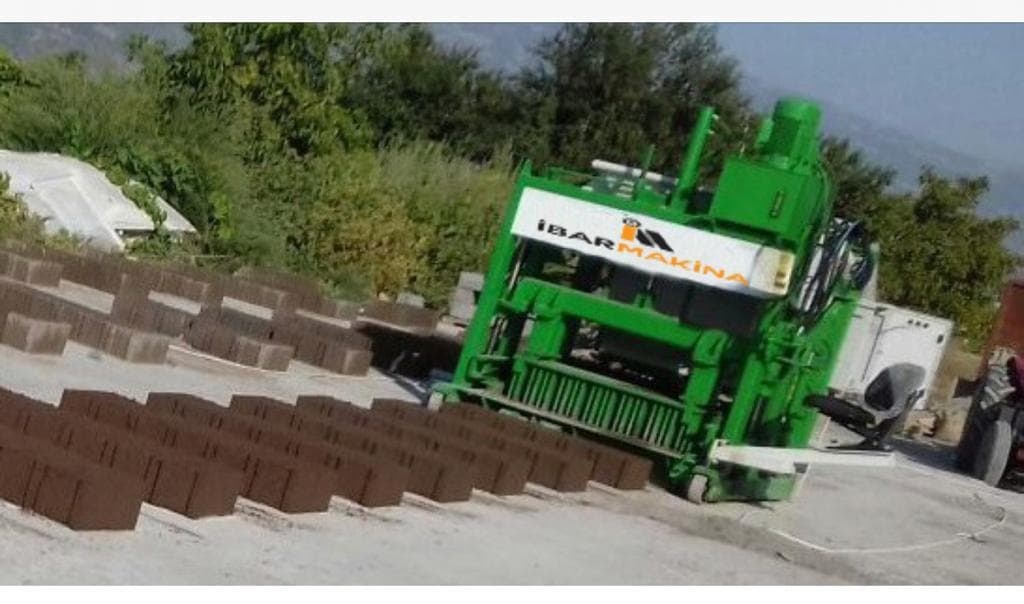
What is an egg-laying (mobile) block machine? This is an important starting point for businesses considering mobile systems for concrete block production. Also known as a mobile concrete block machine, this system transfers the prepared concrete mix into moulds, then compacts and shapes it using hydraulics and vibration. The machine deposits the finished blocks directly onto a concrete floor, then moves forward to begin a new production cycle. The main difference in this operating method is that products are placed on the floor rather than on production pallets. When selecting a machine, businesses should consider not only the products to be manufactured, but also the concrete floor to be used and the layout of the production area.
How Does an Egg-Laying (Mobile) Block Machine Work?
The production process begins with the transfer of a properly prepared concrete mix into the moulds. The mould determines the shape and dimensions of the product, while the hydraulic system and vibration compact the mix. At this stage, it is important that the material is evenly distributed within the mould and has a consistency suitable for production. Mix preparation, mould selection and correct machine operation should be treated as complementary parts of the same production process rather than as separate tasks.
Once forming is complete, the blocks are deposited onto the concrete floor. The machine then moves forward into position for the next production cycle and repeats the process. The terms egg-laying and mobile refer to this moving operating principle. Since the products remain on the floor, production planning should account for the machine's travel route, the area where products will be left and subsequent handling operations. Floor layout is one of the key operational factors that directly affect the daily use of this system.
Machine Types and Products That Can Be Manufactured
Egg-laying (mobile) block machines are available in three different mobile configurations: 4-block, 6-block and 8-block. To identify the option best suited to a business's needs, the intended product range and available production area should be assessed. Rather than deciding solely on the machine type, a more effective approach is to define mould requirements and the production layout from the outset. Businesses wishing to explore different operating arrangements can review the available concrete block machine options.
These machines can manufacture various types of concrete products. The original product range includes the following options:
- Solid concrete blocks.
- Three-core concrete blocks.
- Two-core concrete blocks.
- Curbstones.
Manufacturing a different product requires a different mould suited to that product. For example, concrete blocks and curbstones have different geometries, so their mould requirements also differ. When planning a product range, businesses should therefore assess not only the machine but also the moulds required. For businesses interested in curbstone production, curbstone moulds are also part of this assessment.
The Advantage of Pallet-Free Production and Space Requirements
The main advantage of an egg-laying (mobile) block machine is that no pallets are required for concrete block production. Depositing products directly onto the concrete floor eliminates the use of pallets in the production process. This difference should be clearly considered when comparing a pallet-based production system with a mobile system. However, pallet-free operation does not mean that the production site can be arranged without proper planning; the floor must be suitable for production, and the working area must be laid out correctly.
The disadvantage of this system is that it requires a larger production area than stationary machines. Depositing blocks onto the concrete floor within the factory area and moving the machine forward during operation increases space requirements. Businesses should therefore consider not only the total size of the available site, but also its usable area. The areas allocated to production, holding products and handling operations must work together effectively. When choosing a mobile system, the facility layout is as important a consideration as the machine itself.
Mould Construction and Custom-Size Production
The concrete block moulds used in egg-laying (mobile) block machines are made from special ST52 steel plates for wear resistance. The mould is a key part of the production process because it shapes the mix into the required product. The mould must be compatible with the product to be manufactured, product changeovers must be planned, and maintenance must not be neglected. When selecting a mould, businesses should clearly define not only the product's external dimensions, but also whether it is solid or hollow.
Businesses wishing to manufacture products in custom dimensions rather than standard sizes can submit their requirements to İBAR MAKİNA. Custom manufacturing is available based on the dimensions provided to the company. To assess such a request, the product's dimensions and shape must be communicated clearly. Businesses planning to switch between different products should share their machine and mould requirements together to support a more effective technical assessment.
Frame, Hydraulic System and Vibrator Features
The main frame of the machines is made from A1-grade steel. The hydraulic system is specified as Italian or German, while the electrical control panel is German. These components form part of the system that provides the machine's mechanical movement and production control. When assessing a machine, the frame, hydraulic system, electrical control panel and mould construction should be examined individually, then considered together within the overall operating system.
The machine's vibrators are specially manufactured in-house by İBAR MAKİNA. They are designed and produced with demanding working conditions in mind. Vibration works together with the hydraulic system to compact the mix transferred into the mould. It is important for operators to understand the machine's operating principle and follow the relevant instructions during use. Regular inspection and maintenance should also remain a priority for the correct use of production equipment.
Warranty, Installation and Operator Training
İBAR MAKİNA provides a two-year warranty on the machines it manufactures. Installation is carried out by the company's installation team, and the customer's personnel receive training in machine operation. Installation and training are important stages in integrating the equipment into the business's production setup. Teaching personnel the operating cycle, mould use and key inspection points helps ensure that the machine is used correctly.
The company provides machine support, while its technical support and marketing team also assists customers with their questions. İBAR MAKİNA has been manufacturing in Çerkezköy, Tekirdağ, since 1978 and exports to more than 30 countries. The company manufactures concrete block and paving stone machines, moulds, concrete pipe, box culvert and manhole machines, and concrete batching plants. Its service approach brings together installation, training and after-sales support.
Frequently Asked Questions
Are egg-laying block machines and mobile block machines the same system?
Yes. Both terms refer to a mobile production system that deposits concrete blocks onto a concrete floor and moves forward. The machine compacts the mix in the mould using hydraulics and vibration; after depositing the products, it moves forward to continue with a new production cycle.
Are production pallets required for these machines?
No pallets are required for concrete block production. Products are deposited directly onto the concrete floor. However, this operating method requires careful production site planning, and businesses should allow for a larger area than stationary machines require.
Can the same machine manufacture different products?
With suitable moulds, the machine can produce solid concrete blocks, three-core concrete blocks, two-core concrete blocks and curbstones. Different product types require different moulds. Requests for custom dimensions can also be submitted to the company for assessment for custom manufacturing.
How can I get information about egg-laying block machine prices and the purchasing process?
For pricing and purchasing information, you can share the products you wish to manufacture, the machine type you are considering and any custom-size requirements with İBAR MAKİNA. The technical support and marketing team can help assess your requirements and provide information about the machine.
To explore an egg-laying (mobile) block machine suitable for your business, obtain pricing information and share your production requirements, you can contact the İBAR MAKİNA team by completing the quotation form.