






 MozambiqueConcrete Block Machine · Semi-Automatic Concrete Block Machine · Hollow Block Machine
CBM 20 Block and Paving Stone Machine Installation – Mozambique
A twin-hopper CBM 20 installed on a prepared site in Mozambique, laid out in one run from the mixer and belt conveyors to the press, pallet magazine and roller exit rails.
Same-day reply, 24/7
Project
About the project
In Mozambique we installed a twin-hopper CBM 20 block and paving stone machine for one of our customers. The photos in this reference do not show production but the final stage of installation: the press is in place, the belt conveyors are connected, the moulds are stacked beside the machine, and the control panel and hydraulic unit are still in the protective stretch film they left the factory in. So rather than finished products, this page shows how a CBM 20 line is laid out on site. Our team carried out the installation and trained the customer's operators in running the machine, changing moulds and routine maintenance.
The site comes first
The customer had prepared the ground before the machine arrived, and it shows in the photos. The press and its auxiliary units stand on a level concrete floor with a channel left in it for the cables. Freshly built concrete-block walls enclose the line, the mixer is set right beside a plastered building, and a floodlight pole rises over the yard. Where the roller pallet exit rails run, the ground is still sand; the rails have been levelled on adjustable feet resting on concrete blocks.
The line layout: from mixer to pallet rails
The CBM 20 line was set out in a straight run, in the order the material flows:
- Aggregate belt and horizontal mixer: beside the building, the first belt conveyor lifts the aggregate and discharges it into the horizontal mixer. The white electrical cabinet stands next to the mixer.
- Machine feed belt: a second, longer inclined belt carries the mix up to the orange hopper on top of the press; in the photos its drum is still wrapped in black plastic.
- CBM 20 press: İBAR MAKİNA lettering on the frame and side plates, mesh guards around the moving parts. With its twin hoppers, the machine can lay the body concrete and the face mix into the mould separately.
- Pallet magazine: at the rear end of the press, the section that feeds empty pallets into the machine one by one.
- Roller pallet exit rails: in front of the press; pallets of fresh products leave the mould along these rails on their way to the curing area.
The control panel and the hydraulic unit were placed right beside the press; in the photos both are still in their packaging.
Moulds and products
Several orange moulds are stacked beside the machine in the photos: the line came with more than one mould for different products. On the CBM 20, changing the product means changing the mould; the same press makes concrete blocks, interlocking paving stones and curbstones. Thanks to the twin hoppers, paving stones can be made in two layers: an economical concrete body under a fine-aggregate face mix, which can be pigmented for coloured pavers.
According to our product record, the CBM 20 produces the following with each mould, at 100–120 pallet cycles per hour:
| Product | Per cycle | Daily output |
|---|---|---|
| Paving stones | 20 pcs | about 400 m² |
| Block 100x400x200 mm | 16 pcs | about 16,000 pcs |
| Block 150x400x200 mm | 10 pcs | about 10,000 pcs |
| Block 200x400x200 mm | 8 pcs | about 8,000 pcs |
| Curbstone 150x700x300 mm | 2 pcs | about 2,000 pcs |
After this stage
On a CBM 20 line, the steps after the stage in these photos are well defined: the control panel and hydraulic unit are unpacked and connected, the 400-litre hydraulic tank is filled, the line is run empty to check the belts and the pallet flow, and then a mould is fitted and the first trial cycles are made while the vibration and pressing settings are adjusted. A roofed or shaded curing area for the fresh products should be ready by then too. On the electrical side, the machine itself has an 11 kW hydraulic motor and two 5–7.5 kW bottom vibration motors; the mixer and the belts come on top of that. Our quote states the total installed power of the line, so the generator or grid connection can be planned accordingly.
Planning a similar plant?
Installation and operator training are included in the price of every quote; our machines carry a 2-year warranty and spare parts ship the same day. With more than 45 years of experience, we have set up plants in over 30 countries. Another example of the same model in East Africa: the CBM 20-2 installation in Kampala, Uganda. If you are working out the numbers, our cost-per-block guides for neighbouring Tanzania and Zimbabwe show the method. Tell us which products you want to make and your daily target — message us on WhatsApp and we will send you the right machine, moulds and price.
Machines used in the project
All products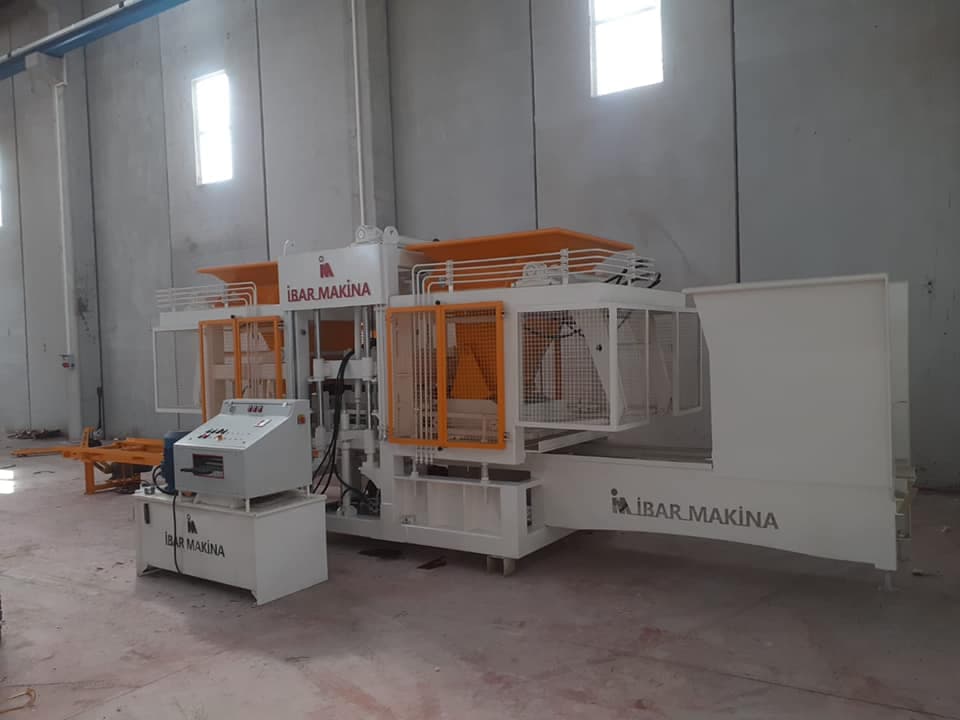
Planning a similar project?
Share your capacity and site details and we will prepare the right machine and installation plan for you.
- Guaranteed Service
- 45+ Years of Experience
- 100% Customer Satisfaction
- Superior Service and Spare Parts Network
Similar references
Other projects we have installed in different countries around the world.
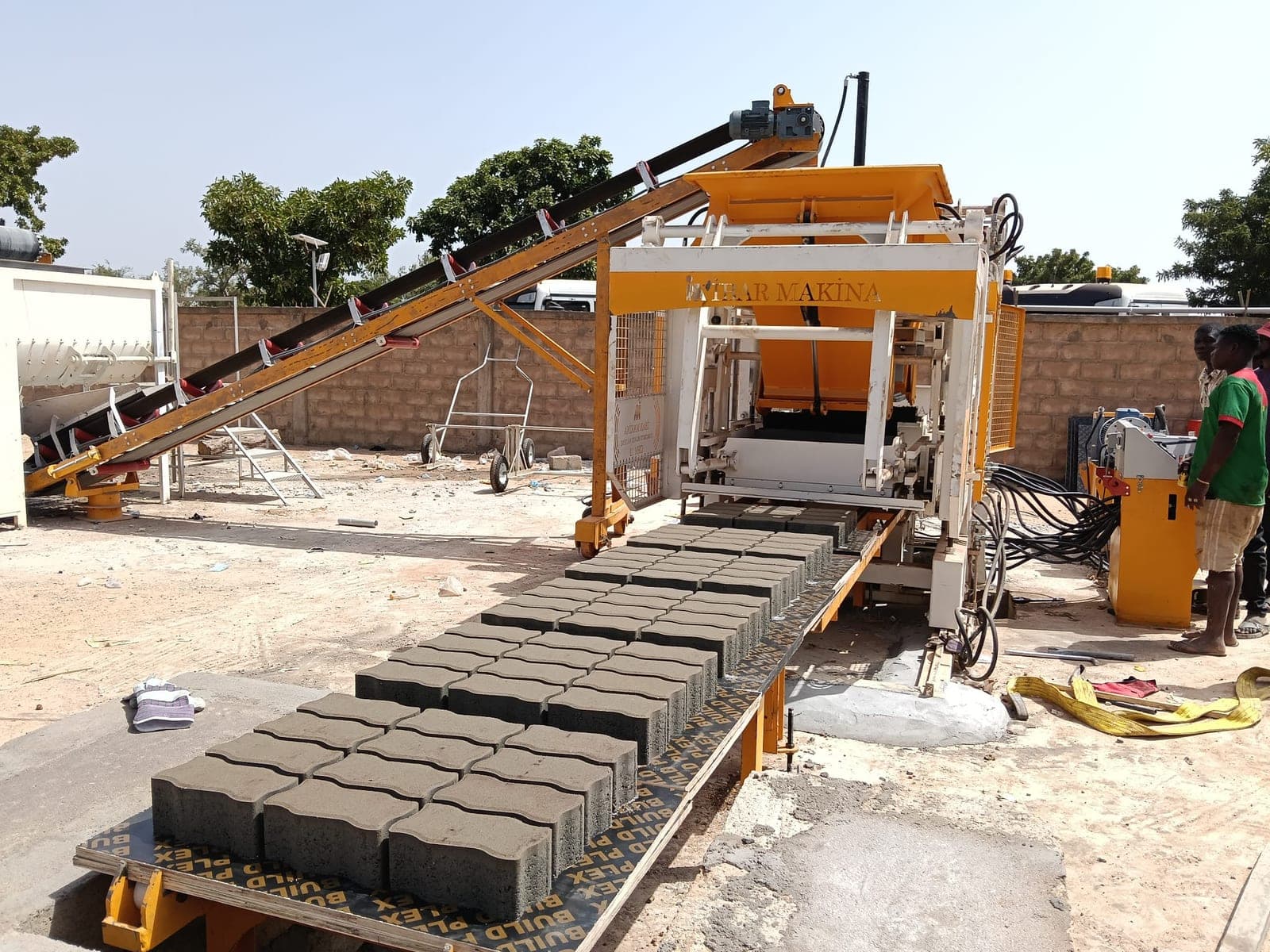
 Ouagadougou, Burkina FasoCBM 12CBM 12 Block and Paving Stone Machine Installation – Ouagadougou, Burkina FasoConcrete Block Machine · Semi-Automatic Concrete Block Machine · Hollow Block MachineReference details
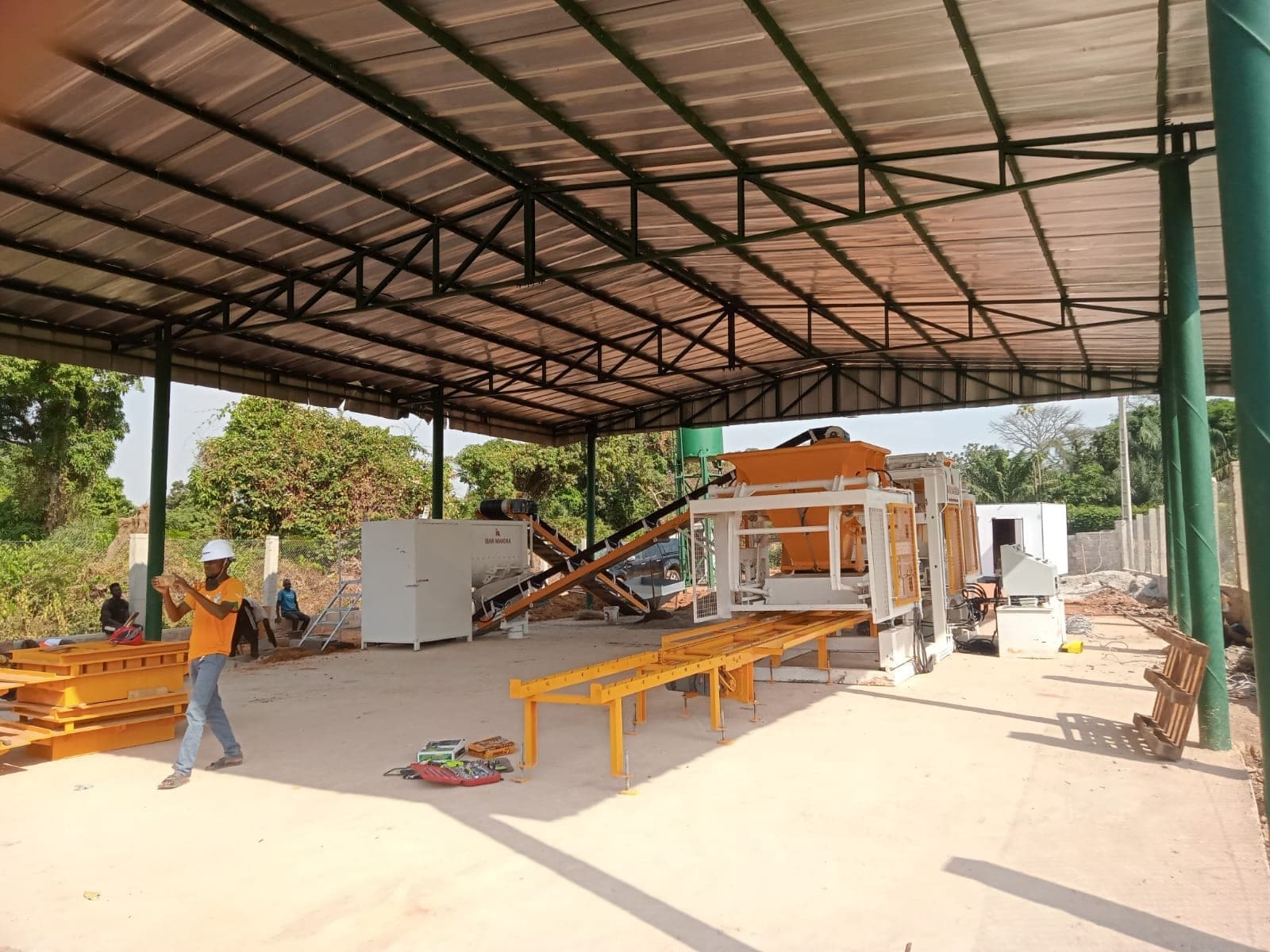
 Bouaké, Côte d'IvoireCBM 25CBM 25 Block Making Machine Installation in Côte d'IvoireConcrete Block Machine · Semi-Automatic Concrete Block Machine · Hollow Block MachineReference details
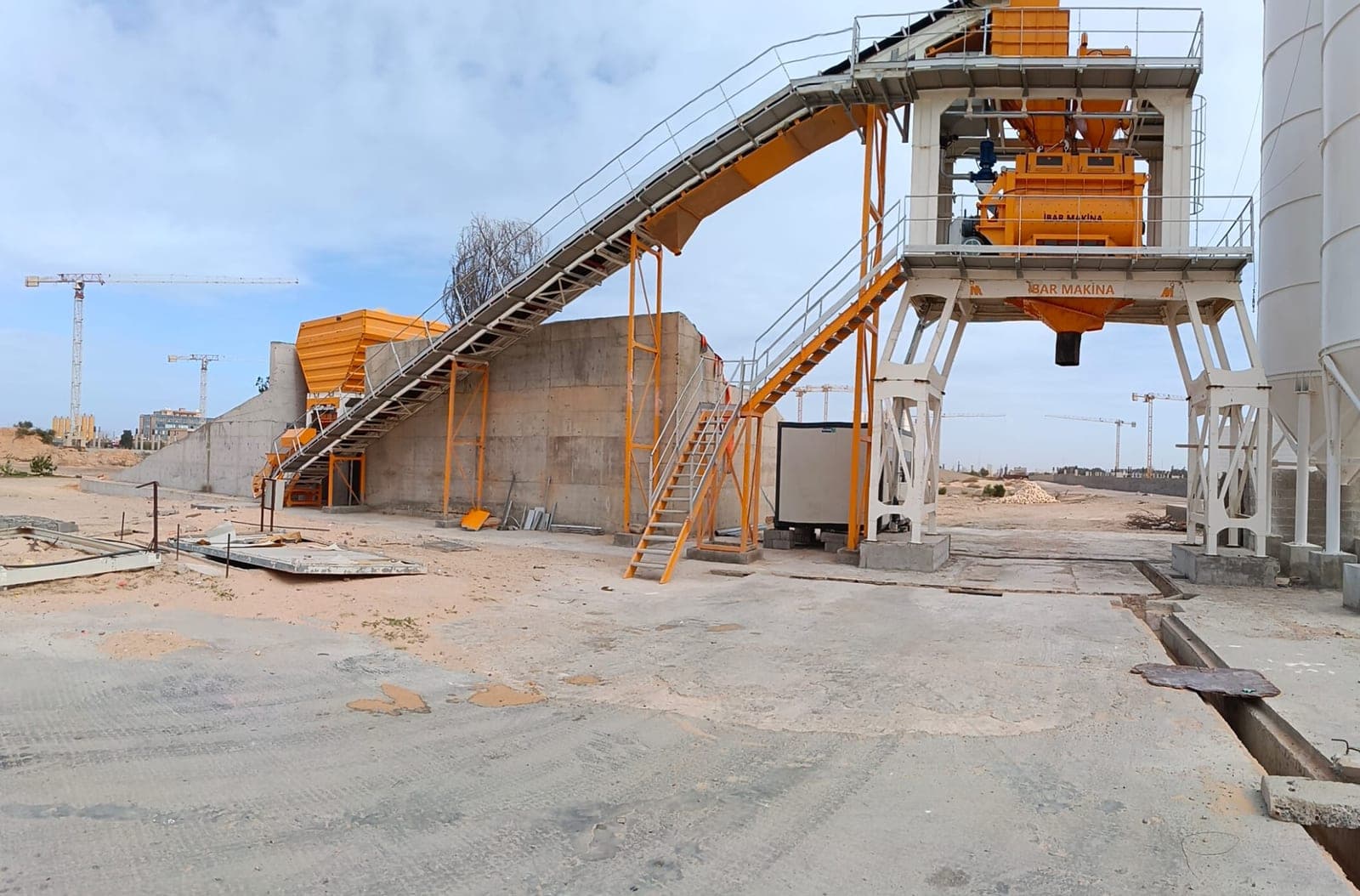
 Tripoli, LibyaPROMIX 135PROMIX 135 Stationary Concrete Batching Plant Installation – Tripoli, LibyaConcrete Batching Plant · Stationary Concrete Batching PlantsReference details
Ready to take your business to the next level with Ibar Makina?
With superior technology and engineering solutions, Ibar Makina makes your production faster, more efficient and of higher quality. Our experience and innovative approach give you tailor-made solutions that strengthen your competitiveness.